The evolution of gambling A deep dive into its rich history
The Origins of Gambling
The practice of gambling dates back thousands of years, with evidence suggesting that it originated in ancient civilizations. Archaeological findings show that as early as 3000 BC, the Chinese were using rudimentary dice made from animal bones, while the Egyptians engaged in similar games with various forms of betting. These early forms of gambling were often linked to religious rituals and were seen as a way to communicate with the divine. Interestingly, many people are now discovering that canada online casinos offer a modern twist to this age-old tradition.
As cultures evolved, so did the methods and forms of gambling. By the time of the Roman Empire, gambling had become a popular pastime among citizens, with various games of chance and skill being played in public spaces. Betting on chariot races and gladiatorial contests became common, highlighting the social aspect of gambling that continues to this day.
The Middle Ages and the Birth of Modern Gambling
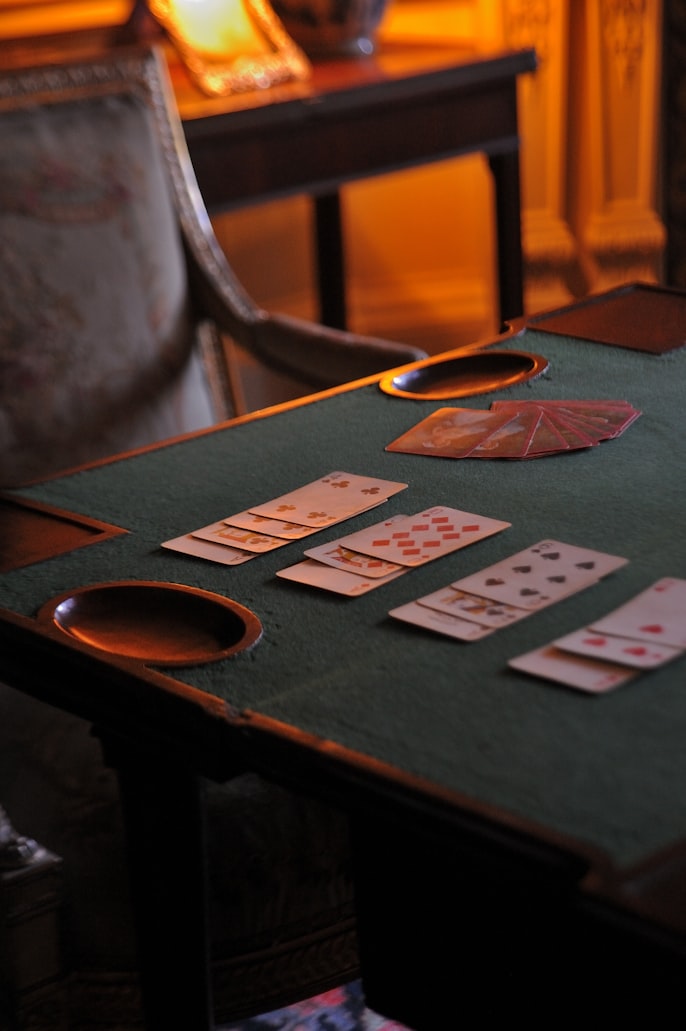
The Middle Ages witnessed a shift in the perception of gambling, as it was both condemned and embraced across different regions. While church authorities often criticized gambling as a vice, it remained a popular activity among the nobility. The invention of playing cards in the 14th century marked a significant development in gambling, leading to the creation of games like poker and bridge that are still played today.
During this period, the establishment of gambling houses and taverns provided venues where people could gather to play games of chance. The rise of lotteries in the 16th century, aimed at funding public projects, also highlighted a growing acceptance of gambling as a legitimate form of entertainment and revenue generation.
The Rise of Casinos
The 17th and 18th centuries marked the emergence of casinos, particularly in Europe. The first official casino, the Ridotto, opened in Venice in 1638, catering to the elite and providing a structured environment for gambling. This set the stage for the glamorous casino culture we see today, where sophistication and luxury are integral to the gambling experience.
In the 19th century, casinos spread across Europe, with establishments in places like Monte Carlo becoming synonymous with wealth and high society. The introduction of games like roulette and baccarat drew in crowds eager to test their luck, and the allure of these establishments was further enhanced by elaborate architecture and opulent interiors.
The Globalization of Gambling
The 20th century brought about a significant transformation in the gambling landscape, with the legalization of gambling in various parts of the world. In the United States, Las Vegas emerged as the gambling capital, turning the desert city into a vibrant hub for entertainment and gaming. The introduction of slot machines revolutionized the industry, making gambling accessible to a broader audience.
Globalization has also led to the rise of online gambling in the 21st century, allowing players to enjoy their favorite games from the comfort of their homes. The integration of technology has transformed traditional gambling, creating a virtual environment where players can interact in real-time, effectively expanding the reach of the gambling industry.
Connecting with Local Insights
At torontosversion.com, we aim to explore the many facets of gambling, both in its historical context and in contemporary society. Our focus extends to the latest trends and developments in the gambling world, particularly within the vibrant Toronto area. We provide engaging articles that shed light on the local gambling scene, from popular casinos to the emerging online platforms.
Our goal is to keep you informed and connected, whether you are a local resident or a visitor. With a rich tapestry of stories and insights, torontosversion.com serves as your comprehensive resource for understanding the evolution of gambling and its impact on society today.